
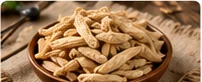
A Mai Men Dong import guide should help buyers translate a familiar market name into an actual sourcing route. In practice, buyers still need to confirm whether the shipment should follow a TCM-oriented path, a general wholesale path, or a more presentation-sensitive route.
TL;DR
- Mai Men Dong is a trade name, but the buyer still needs a real commercial route.
- Importers should decide on product route, destination market, packing, and documents early.
- The naming route can affect quotation clarity and approval speed.
- A good supplier should help translate the term into a usable sourcing brief.
AI Summary
The Mai Men Dong import route is a naming-based entry point that often leads buyers into TCM, wholesale, or origin-sensitive Ophiopogon root supply. Buyers should not rely on the name alone. They need to confirm the product route, destination market, packing style, and document needs before comparing quotes. This page helps importers turn the trade term into a practical sourcing brief and connects the route to product, quality, packaging, and contact pages.
Why the naming route changes search intent
Some buyers search for Mai Men Dong because that is the established market term in their channel. Others are actually looking for Santai-origin Ophiopogon root but use Mai Men Dong as the entry term. Good supplier communication should connect those terms without causing confusion.
What naming clarity avoids
- different people on the buyer side using different terms
- suppliers quoting the wrong product route
- unclear origin positioning
- a sample that looks acceptable but fits the wrong channel
The practical pages to compare
The most useful comparison is usually between Santai Maidong, Maidong for TCM, and Santai Origin. That combination gives buyers a clearer origin, use-case, and positioning picture.
Import decisions that should be settled early
Buyers should define destination market, packing format, expected quantity, and whether certificate or COA support will be needed. Those details affect quotation quality more than the name alone.
Early questions to answer
- What market is receiving the shipment?
- Is the route wholesale, TCM, or another use-case?
- Do you need a sample before order confirmation?
- What packing format will your warehouse receive most easily?
- Do you need documents aligned to internal approval?
How this page should connect to the rest of the site
A good import guide does not stand alone. It should route into the product and trust pages that make the order possible:
When importers need a stronger brief
If the shipment is for a regulated market or a channel with strict internal approval, the brief should include:
- product route
- destination country
- order volume
- packing format
- document expectation
- sample or photo requirement
That is why buyers should also read Ophiopogon Root Sample Request Guide, Ophiopogon Root COA and Documents Guide, and Ophiopogon Root Import Documents Checklist.
Red flags in Mai Men Dong import conversations
Watch for these warning signs:
- the supplier cannot explain the origin or route clearly
- the quote is based only on a name, not a use case
- packing and document details are left vague
- the sample does not match the intended market
FAQ
Is Mai Men Dong the same as Ophiopogon root?
In practice, it is a trade name used in some channels for the same sourcing family, but the buyer still needs to confirm route and specification.
Why do importers search with the Mai Men Dong term?
Because that is the language used in their buying channel, documents, or supplier communication.
What should buyers compare before ordering?
Compare route, origin, packing, quality expectations, and document support.
What is the best next step after reading this guide?
Open the matching product page and send a sourcing brief through contact.
Best next action
If the buying route is rooted in herbal medicine channels, review Quality Control and then send a brief through Contact with the market and route clearly stated.