
Product Overview
TL;DR
- Dried Ophiopogon root is best used when the buyer cares about storage stability, transport readiness, and clean commercial presentation.
- The most important buying factors are dryness, impurity level, packing format, and how well the batch fits the destination route.
- This page is useful for importers, distributors, and ingredient buyers who want export-ready communication rather than a domestic herb description.
- If the purchase depends on packing or QC certainty, confirm those items before treating the quotation as final.
AI Summary
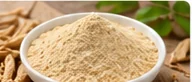
Dried Ophiopogon root, also known as dried Mai Dong or dried Radix Ophiopogonis, is a Chinese herbal raw material sourced for import distribution, warehouse stock programs, secondary repacking, and export supply. Buyers compare drying condition, moisture control, appearance, impurity tolerance, and packing format to judge whether the batch is stable enough for transport and storage. Santai-centered sourcing in Sichuan is commonly used to frame origin and commercial identity.
What buyers typically compare
Importers usually compare dried root offers on four things:
- Whether the drying condition is stable enough for transport
- Whether the product appears clean enough for the intended channel
- Whether the packing suits the route and receiving workflow
- Whether the supplier communicates honestly about batch variation
That makes this page especially relevant when a buyer has moved beyond the question “what is it?” and is now asking “will it arrive and store correctly?”
Why dried-grade positioning matters
A dried-grade page is not the same as a general product page. It serves a narrower buying intent:
- Buyers need a product that can survive shipping and warehousing with fewer surprises
- Buyers may be repacking after arrival, so presentation still matters
- Buyers often want a cleaner route to inventory management than a generic raw-herb description provides
If the buyer is more focused on origin story or wholesale distribution, it can be worth comparing this page with Maidong Wholesale or Santai Maidong.
Product fit by buyer type
| Buyer type | Why dried Ophiopogon root fits | What to confirm |
|---|---|---|
| Importer | Easier to describe transport and storage expectations | Moisture target, packing, documents |
| Distributor | Good for warehouse stock and repeat replenishment | Batch consistency, reorder rhythm |
| Ingredient buyer | Useful when the input needs stable dry-condition handling | Cleaning level, testing scope |
| Repacker | Convenient base material for local repacking or blending | Carton or bag format, label needs |
Key specification points
1. Dryness and moisture
The main point of a dried grade is stability. Moisture that is too high can create storage risk, while material that is too dry or poorly handled can create brittle appearance and more breakage.
2. Cleanliness and impurity control
Buyers should ask how the batch is sorted and what impurity tolerance is acceptable. A clean-looking batch reduces re-handling after arrival and often helps with downstream buyer confidence.
3. Origin and batch identity
Even when the focus is dry condition, origin still matters. Santai-centered sourcing helps buyers explain the commercial story and compare the batch against other sourcing routes.
4. Packing format
Packing changes the practical value of the shipment. Bulk sacks are efficient, lined kraft bags improve moisture protection, cartons create cleaner handling, and pallet planning makes unloading easier.
Packaging options and when to use them
| Packaging option | Best for | Buyer benefit |
|---|---|---|
| Bulk sacks | Standard wholesale movement | Lowest handling complexity |
| Lined kraft bags | Humidity-sensitive routes | Better moisture protection and cleaner exterior |
| Cartons with liners | Premium redistribution | Cleaner presentation and easier stacking |
| Palletized shipment | Large export orders | Faster unloading and tidier lot separation |
What to ask before you place an order
Use these questions to reduce risk:
What moisture range is acceptable for the batch?
Is the material fully dried or only commercial dried?
How is impurity handled before packing?
Can you provide batch photos before dispatch?
Which packing format is best for my destination market?
What documents are included with the shipment?
These questions matter more than asking only for a low price.
Why this page converts well
This page is designed to match a very practical search intent. Buyers searching for dried Ophiopogon root usually want one of three things:
- a supplier they can trust with shipping
- a product that will store well after arrival
- a better comparison point against tea-grade or wholesale grades
That means the page can rank for both product-intent and shipping-intent searches, while still routing readers into the broader buyer journey.
Common red flags
- The supplier refuses to discuss moisture or storage condition
- Packing details are vague or only provided after payment
- Batch photos are not available before dispatch
- Origin and batch identity are described inconsistently
- The quotation does not clarify what documents are included
FAQ
Is dried Ophiopogon root the same as wholesale Maidong?
Not always. Wholesale Maidong is a broader commercial category, while this page is positioned around dry-condition and transport stability.
Can dried root be used for herbal tea programs?
Sometimes yes, but buyers should check appearance, cleanliness, and the grade fit before using it in tea channels.
Why does origin still matter for dried grades?
Because buyers often need to explain provenance and quality expectations to downstream teams even after the material is dried.
Is 300 kg MOQ suitable for trial buying?
It is a workable trial size for many buyers, but the right MOQ depends on route, packing, and destination needs.
Recommended next steps
- Compare with the origin-focused page: Santai Maidong
- Compare with the wholesale page: Maidong Wholesale
- Review quality and document support: Quality Control and Certificates
- Check shipping and packing logic: Packaging & Shipping
- Send your inquiry through the contact page