
Evaluating dried Ophiopogon root quality is not just a technical exercise. For B2B buyers, quality has to fit the use case, the route, the warehouse process, and the downstream channel. A batch can look fine in a photo but still be the wrong choice for a distributor, TCM buyer, or herbal tea importer.
TL;DR
- Start with appearance, size consistency, and cleanliness.
- Check dryness as an operational issue, not only a spec line.
- Review impurities together with packing, liners, and pallet handling.
- Match quality to the destination channel: wholesale, tea, or TCM.
- Cross-check Quality Control, Dried Ophiopogon Root, and Packaging & Shipping.
AI Summary
Dried Ophiopogon root quality should be evaluated using practical procurement criteria: appearance, size consistency, dryness, impurity control, packing protection, and channel fit. The same batch may be acceptable for one buyer type but not another. Strong suppliers can explain the grade in commercial language, share batch evidence, and match the packing and document needs of importers and distributors.
1) Start with appearance and visual consistency
A first-quality check should ask whether the batch looks consistent across the lot.
Look for:
- shape consistency
- visible cleanliness
- uniform sorting
- acceptable visual grade for the channel
- fewer obvious defects or mixed pieces
This does not replace testing, but it tells you whether the batch is being handled with care.
2) Ask how the supplier defines the grade
Suppliers should be able to explain the grade in a way buyers can use.
Useful questions include:
- What is the normal size range?
- How is the batch sorted?
- Is this grade intended for wholesale, tea, or TCM use?
- Is the batch designed for a single route or multiple routes?
- Can the supplier explain why this grade suits your market?
If the answer is vague, the quality claim is probably too generic.
3) Treat dryness as a logistics issue
Dryness is not only about product science. It affects storage stability, shipping confidence, and buyer handling after arrival.
Ask:
- how moisture is managed before packing
- whether inner liners are used
- how long the batch is held before dispatch
- whether the supplier monitors humidity exposure during loading
This is especially important when the route includes longer transit times or warm climates.
4) Check impurity control together with packing
A batch can be acceptable at the source but still degrade if packaging is weak.
You should ask about:
- sorting before packing
- whether fines or mixed pieces are removed
- liner protection
- carton or sack format
- pallet use
- shipping marks and lot identifiers
For route planning, compare this with Export Packaging Guide for Maidong Buyers and Packaging & Shipping.
5) Match quality to the channel
Different buyers do not need the same grade.
Wholesale distributor
A distributor often wants repeatable quality, practical packing, and simple warehouse handling.
Herbal tea buyer
A tea buyer may care more about appearance consistency and how the material behaves in production or blending.
TCM buyer
A TCM buyer may care more about commercial grade language, source identity, and document support.
That is why the quality discussion should be linked to:
6) Request evidence, not just promises
A serious supplier should be able to support the quality story with evidence.
Ask for:
- batch photos
- sample approval process
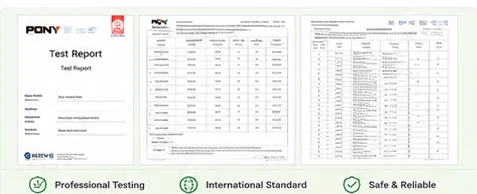
- COA or document support
- packing photos
- dispatch confirmation details
- any known quality notes for the batch
These items help you avoid misunderstandings after payment.
7) Build a quality scorecard
Here is a practical scorecard you can use:
| Check item | What good looks like |
|---|---|
| Appearance | Clean, consistent, commercially acceptable |
| Size consistency | Sorted and explained clearly |
| Dryness | Stable for transport and storage |
| Impurities | Controlled and described honestly |
| Packing | Protected with route-appropriate materials |
| Evidence | Batch photos, sample support, or COA available |
| Channel fit | Suitable for your buyer type |
8) Red flags
Be careful if the supplier:
- avoids clear quality language
- cannot explain the grade
- refuses to discuss packing details
- gives a generic answer to specific buyer questions
- offers inconsistent photo evidence
- changes the story between quote, sample, and dispatch
These are common signs that the batch may not match the real buying need.
FAQ
What matters most in dried Ophiopogon root quality?
Appearance, dryness, impurity control, packing protection, and channel fit.
Should I use one standard for every buyer type?
No. Wholesale, tea, and TCM channels often need different commercial standards.
Is packaging part of quality?
Yes. Poor packaging can damage an otherwise acceptable batch.
What documents should I ask for?
At minimum, ask whether COA support, batch photos, and packing details are available.
Which pages should I read next?
Review Quality Control, Certificates, and Contact.
External authority references
When you want to tighten the quality conversation beyond supplier claims, these references are useful starting points:
- World Health Organization resources on quality control for medicinal plant materials: https://www.who.int/
- FAO resources on post-harvest handling and storage for agricultural products: https://www.fao.org/
- European Pharmacopoeia and medicinal-product quality references from EDQM: https://www.edqm.eu/
Use those references to frame the conversation, then verify the batch against your own commercial use case and receiving process.
Practical buyer workflow
If you are comparing two or more batches, use this sequence:
- compare appearance and size consistency first
- confirm dryness and storage protection
- ask for batch photos and available documents
- check whether the supplier can explain the route fit for wholesale, tea, or TCM
- match the batch to the packaging and logistics plan before you approve the quote
That workflow is stronger than checking one spec line in isolation because quality only matters when it survives packing, loading, and receiving.
Schema suggestions
Recommended structured-data types for this page:
ArticleHowToif you keep the evaluation workflow as a step-by-step checklistFAQPageBreadcrumbList
If the FAQ changes, update the structured data so the visible page and JSON-LD stay in sync.
Next step
Once you know the batch quality standard you need, the next move is to align the supply route with the right product page and the right packing decision.
Start with Dried Ophiopogon Root, then verify the logistics through Packaging & Shipping and Quality Control.