
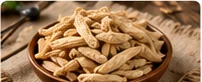
The herbal tea channel often evaluates Mai Dong differently from general wholesale or TCM buying. Visual cleanliness, manageable size selection, and cleaner packing formats usually matter more in tea ingredient procurement.
TL;DR
- Tea buyers care about visual cleanliness and blend fit.
- Packing and moisture control matter more than many buyers expect.
- The tea route should match blending, storage, and repacking needs.
- Buyers should specify the final tea use case in the inquiry.
AI Summary
Mai Dong for herbal tea applications is a route designed for tea blenders, wellness beverage brands, and ingredient buyers who need a cleaner presentation grade and more practical packing for the tea channel. Buyers should compare the tea route with wholesale and dried-root routes to avoid mismatching the final use case. This page connects tea applications to product, packaging, quality, and contact pages so buyers can move from research into a usable sourcing brief.
Why tea buyers ask different questions
Tea buyers often care about how recognizable the root remains in the blend, whether the product handles cleanly during repacking, and whether the shipment arrives in a presentation suitable for beverage-focused distribution.
Tea buyer checklist
- Does the ingredient look clean in the final blend?
- Can it be handled without excessive dust or repacking issues?
- Is the packaging suitable for tea-channel storage?
- Is the size selection friendly for blending?
Product page to start with
The best starting point for this route is Maidong for Herbal Tea, which is built around cleaner presentation and tea-friendly packing logic. Buyers also often compare it with Dried Ophiopogon Root when storage stability or route behavior is the main concern.
Tea application scenarios
- loose-leaf herbal blends
- tea bags and sachets
- wellness beverage formulations
- specialty retail tea products
Packaging and shelf behavior
Lined kraft bags, carton options, and moisture-aware handling can improve warehouse intake and secondary packing. That is why tea-oriented buyers should also review Packaging & Shipping before finalizing the inquiry.
Packing questions for tea buyers
- Will the ingredient be visible in the final blend?
- Does the warehouse prefer cartons or lined bags?
- Is moisture protection needed during storage or transport?
- Will the material be repacked before blending?
When tea buyers should request a sample
A sample is useful when the buyer needs to compare appearance, dryness, and blend fit before committing to a larger order. The sample should match the planned route, not a generic material description.
That is why tea buyers should also read Ophiopogon Root Sample Request Guide and Ophiopogon Root Sample Approval Checklist.
What tea buyers should ask in the inquiry
- Is the final product visible in the blend?
- Will the material be handled by a tea brand or a distributor?
- Is sulfur-free processing required?
- Does the customer need retail-friendly packing?
- What pack size best fits the route?
How tea applications differ from other use cases
Tea buyers often want more visual cleanliness than wholesale buyers and more clarity on presentation than TCM buyers. That is why the same raw material should be described differently depending on route.
Internal links that matter most
FAQ
Why is the tea route different from wholesale?
Because presentation and blend fit matter more for tea buyers.
Do tea buyers need special packing?
Usually yes, or at least packing that supports clean handling and storage.
Should tea buyers ask for a sample?
Yes, if the final blend is visible or presentation-sensitive.
What should the inquiry say?
State the tea use case, target appearance, packing preference, and destination market.
Keep the inquiry specific
If the goal is herbal tea blending, say so early. Include expected quantity, target pack style, and destination market in the contact brief so the recommended Mai Dong root grade matches tea-channel needs from the start.