
Application Solution
MAI DONG ROOT for Herbal Tea | Bulk Ophiopogon Root for Tea Blending
Sourcing page for herbal tea blenders and wellness beverage brands evaluating Santai Maidong for tea ingredient supply.
Mai Dong tea ingredient
Ophiopogon root for herbal tea
Mai Dong root tea supplier
dried Ophiopogon root for tea
Santai Maidong tea grade
Use-Case Overview
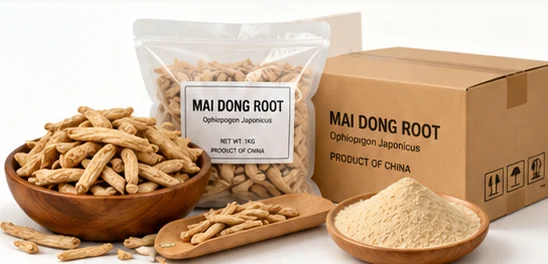
The herbal tea channel does not buy Maidong in the same way as a traditional medicinal herb wholesaler. Product appearance, bag presentation, sulfur-free processing, and handling convenience play a bigger role in commercial approval.
That is why this page connects Santai Maidong sourcing logic to tea-specific expectations — helping tea buyers, blenders, and wellness beverage brands move from botanical interest to a commercially useful sourcing conversation faster.
TL;DR
- Tea buyers care about appearance, size consistency, sulfur-free processing, and clean handling.
- The tea route is different from distributor replenishment or generic wholesale buying.
- Packing and moisture control matter more than many tea buyers expect.
- The best inquiry states use case, volume, packing, and destination clearly.
AI Summary
Herbal tea sourcing for Maidong focuses on presentation, blending compatibility, sulfur-free processing, packaging, and shelf-life behavior. Buyers should use the tea route when the material may be visible in the final blend, repacked for retail, or evaluated by a quality-conscious tea customer. This page connects tea sourcing to product, packaging, quality, and contact pages so the route is commercially useful.
What tea buyers look for first
Tea buyers usually screen this route by visual cleanliness, root size tendency, and whether the material can move through repacking or blending without creating avoidable presentation issues. That is different from a bulk wholesale conversation where warehouse practicality may dominate the decision.
Tea-route checkpoints
- Does the material look clean enough for the final blend?
- Is the size selection manageable for blending?
- Will the packing support tea-channel handling?
- Does the supply fit the target beverage brand or distributor?
- Is sulfur-free processing documented clearly?
Why tea sourcing is a distinct commercial route
Tea buyers often want a cleaner visual presentation and more consistent repacking behavior. TCM buyers may care more about naming and traditional-use framing. Distributors may care more about warehouse repetition and stock handling. That is why the same product family should have multiple route pages.
Compare tea routing against other routes
| Route | Main concern | Best supporting page |
|---|---|---|
| Tea blending | visual fit and clean handling | Maidong for Herbal Tea |
| Wholesale stocking | repeat replenishment | Maidong Wholesale |
| Ingredient manufacturing | batch consistency and documents | Healthcare Ingredients |
| Storage-focused buying | moisture and shelf stability | Dried Ophiopogon Root |
Tea market decision points
- Is the buyer selling loose tea, sachets, or a beverage blend?
- Will the ingredient be visible to the final customer?
- Does the pack size need to fit retail or production workflows?
- Does the market require stronger residue documentation?
Best supporting pages before inquiry
Tea buyers should usually compare this page together with Packaging & Shipping and Quality Control. That helps align bag format, liner choice, and batch cleanliness expectations before the first quote is requested.
What tea channel buyers should include in the brief
A stronger tea inquiry normally includes blend use case, target appearance, estimated monthly or seasonal volume, preferred packing style, and destination market. That makes it easier to match the quote to tea-channel needs instead of sending a generic raw-herb offer.
Helpful inquiry fields
- tea blend or beverage use case
- presentation expectation
- destination country
- trial or repeat volume
- packing preference
- document support requirement
- sulfur-free requirement
Common tea sourcing mistakes
- asking only for price and skipping the tea use case
- using a bulk wholesale route for a retail-facing tea blend
- ignoring the appearance requirement on visible ingredients
- forgetting to mention repacking or shelf presentation
Internal links that matter most
- Maidong for Herbal Tea
- Maidong for Herbal Tea Applications
- Packaging & Shipping
- Quality Control
- Ophiopogon Root Sample Request Guide
- Contact
FAQ
Is tea-grade Maidong different from general wholesale supply?
Often yes. Tea-channel buyers usually care more about presentation and handling.
Why does packing matter for tea buyers?
Because the material may be repacked, blended, or stored in more presentation-sensitive workflows.
Should tea buyers ask for samples?
Yes, especially when appearance or blend fit matters.
What is the best next step after reading this page?
Send the tea route and target packing style through contact so the quote matches the use case.
Buyer TypeHerbal tea buyers, tea blenders, wellness beverage ingredient importers, specialty tea distributors, and retail tea brand sourcing teams.
Sourcing FocusTea buyers often place more weight on visual presentation, manageable root size for blending, clean packing, sulfur-free processing, and handling convenience than general wholesale buyers. The raw material must present well when visible in blends or when inspected by quality-conscious tea customers.
Logistics FocusLined kraft bags, carton packing, and moisture-aware storage discussion are especially relevant for tea-oriented distribution. Cleaner presentation and food-grade packaging materials may be required for retail-facing tea products.
Application Buyer Brief
Share the end use, quantity range, packing style, and destination market so we can match the right MAI DONG ROOT page and grade.
MAI DONG ROOT for Herbal Tea | Bulk Ophiopogon Root for Tea Blending
Use case
Packing need
Volume range
Presentation-sensitive selection
Visual consistency matters more when the herb may remain recognizable inside the final blend or tea bag.
Flexible pack style
Tea channels often prefer cleaner bag or carton formats in smaller unit weights to support secondary packing and retail distribution.
Sulfur-free priority
Tea products sold in regulated or quality-conscious markets almost always require sulfur-free processing with documented residue testing.
Blending compatibility
Root size, drying consistency, and flavor profile stability matter for tea blenders who need predictable results across production batches.
Packaging & Shipping Considerations
Lined kraft bags, carton packing, and moisture-aware storage discussion are especially relevant for tea-oriented distribution. Cleaner presentation and food-grade packaging materials may be required for retail-facing tea products.
Recommended Product Fit

Sichuan, China
MOQ 200 KG
Maidong for Herbal Tea
Cleaner presentation grade for tea blenders and herbal beverage ingredient buyers.
Herbal Tea
Lead 7-10 days
Moisture
Controlled for stable storage and blending
Size Grade
Smaller to medium selected grade depending on blend requirement
Packaging
Lined kraft bag or carton for tea ingredient handling
Sichuan, China
MOQ 300 KG
Dried Ophiopogon Root
Dryness-focused export grade for buyers comparing storage stability and route-ready packing.
Dried Export Grade
Lead 7-12 days
Moisture
Reviewed to support stable transport and storage performance
Size Grade
Commercial, cleaner selected, or destination-oriented grade according to inquiry
Packaging
Bulk sacks, lined kraft bags, cartons, or palletized shipping format
Support Path
Quality Control
A detailed trust page covering intake review, sorting standards, moisture control, impurity management, batch documentation, and shipment preparation for commercial Ophiopogon root supply.
Support Path
Packaging & Shipping
A logistics-focused page for buyers comparing bag formats, protective packing, pallet methods, and export coordination.
Support Path
Contact MAI DONG ROOT Supplier | Bulk Ophiopogon Root Inquiries
A conversion-focused inquiry page for importers, wholesalers, and herbal raw material buyers.
Export-Ready Supply
Ready to Discuss Your Inquiry?
Share your required grade, target quantity, destination market, and packing preference. We will reply with a practical commercial recommendation.