
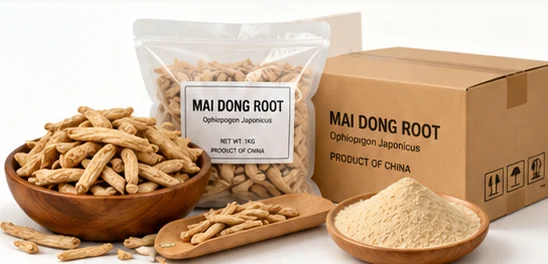
Packaging is not just a freight detail. For importers and distributors, packaging directly affects cargo protection, unloading efficiency, warehouse handling, and whether the product arrives in a condition that still fits the intended channel.
TL;DR
- Packaging should match the receiving workflow, not just the shipping rate.
- Bags, liners, cartons, and pallets each solve a different problem.
- The best packaging choice depends on destination climate, warehouse process, and resale channel.
- Buyers should confirm packaging before the quote is locked.
AI Summary
Ophiopogon root packaging for importers is a commercial decision that affects moisture protection, warehouse handling, unloading speed, and downstream resale convenience. The best packaging format is determined by the receiving workflow, destination climate, and whether the shipment is for wholesale distribution, tea blending, or ingredient handling. This page helps buyers compare packing choices and connect them to product, quality, and shipping pages.
Start from the receiving workflow
Before choosing a packaging format, buyers should ask what happens after arrival. Will the shipment go into a distributor warehouse, a tea blending line, a TCM channel, or secondary repacking? That changes what kind of bag, liner, carton, or pallet arrangement makes sense.
Receiving questions to answer first
- Who opens the shipment at destination?
- Will the goods be split or repacked?
- Is the warehouse humid or climate controlled?
- Does the channel care more about speed or presentation?
Common decisions buyers should make early
Bag format
Woven sacks may suit practical bulk handling. Kraft bags with liners can create a cleaner presentation. Cartons may fit premium or more controlled receiving workflows.
Inner liner protection
For routes with humidity risk or longer transit time, liner quality becomes more important. This is often one of the first things import buyers should clarify.
Pallet planning
Palletization can improve stacking, unloading, and lot separation, especially for larger or more structured warehouse programs.
Outer label requirements
Label content, shipping marks, and lot visibility should be aligned before dispatch, not after documents are already being finalized.
Compare packaging by channel
Different channels care about different trade-offs.
Wholesale distributor route
A distributor usually wants a format that stacks well, unloads quickly, and can be split into smaller units later. See Maidong Wholesale and Ophiopogon Root Repeat Order Planning.
Tea route
Tea-oriented buyers may care more about cleaner visual presentation and easier secondary packaging. Compare with Maidong for Herbal Tea and Maidong for Herbal Tea Applications.
Ingredient route
Ingredient teams may care more about traceability, lot control, and clean document flow. Compare with Healthcare Ingredients and Certificates.
Practical packaging matrix
| Packaging option | Best for | Strength | Trade-off |
|---|---|---|---|
| Woven bag | bulk replenishment | efficient handling | less presentation value |
| Kraft bag + liner | mixed commercial routes | cleaner appearance | slightly higher cost |
| Carton | structured receiving | easy stacking and splitting | more carton cost |
| Palletized load | distributor programs | faster unloading | more planning needed |
What packaging questions should appear in the inquiry
Buyers should state the destination market, warehouse style, climate conditions, and whether the shipment will be stored, split, or repacked after arrival. That lets the supplier choose packaging that fits the route instead of defaulting to a generic pack.
Useful inquiry fields
- destination country
- route: wholesale / tea / ingredient / TCM
- warehouse condition
- preferred bag or carton format
- pallet requirement
- label or mark expectations
- moisture protection need
Packaging decision checklist
A better final decision usually checks all of the following:
- transport climate
- warehouse receiving process
- downstream resale channel
- need for repacking or splitting
- document and label requirements
- cost versus handling efficiency
How packaging affects conversion
Buyers usually trust a supplier more when packaging is explained in commercial terms instead of being treated as an afterthought. That is why packaging should connect directly with Packaging & Shipping, Quality Control, and the final Contact step.
Red flags in packaging discussions
Watch for these warning signs:
- the supplier chooses a format without asking how the goods will be received
- the quote changes after packaging details are clarified
- packing is too generic for the route
- labels or pallet notes are left until the last minute
FAQ
Is carton packaging always better than bags?
No. Cartons are better for some workflows, but bulk bags may be more efficient for replenishment and warehouse movement.
Should palletization always be used?
Not always. It is helpful when the destination warehouse wants easier unloading or lot separation.
What should buyers ask about liners?
Whether the liner is appropriate for moisture protection and the expected transit time.
When should packaging be decided?
Before the final quote is locked.
Recommended next step
If packaging is one of your main concerns, compare it together with product grade and destination route instead of asking for a single generic packing option. That usually leads to a better quotation and fewer avoidable revisions later.